What a Query Letter Rejection Actually Tells You
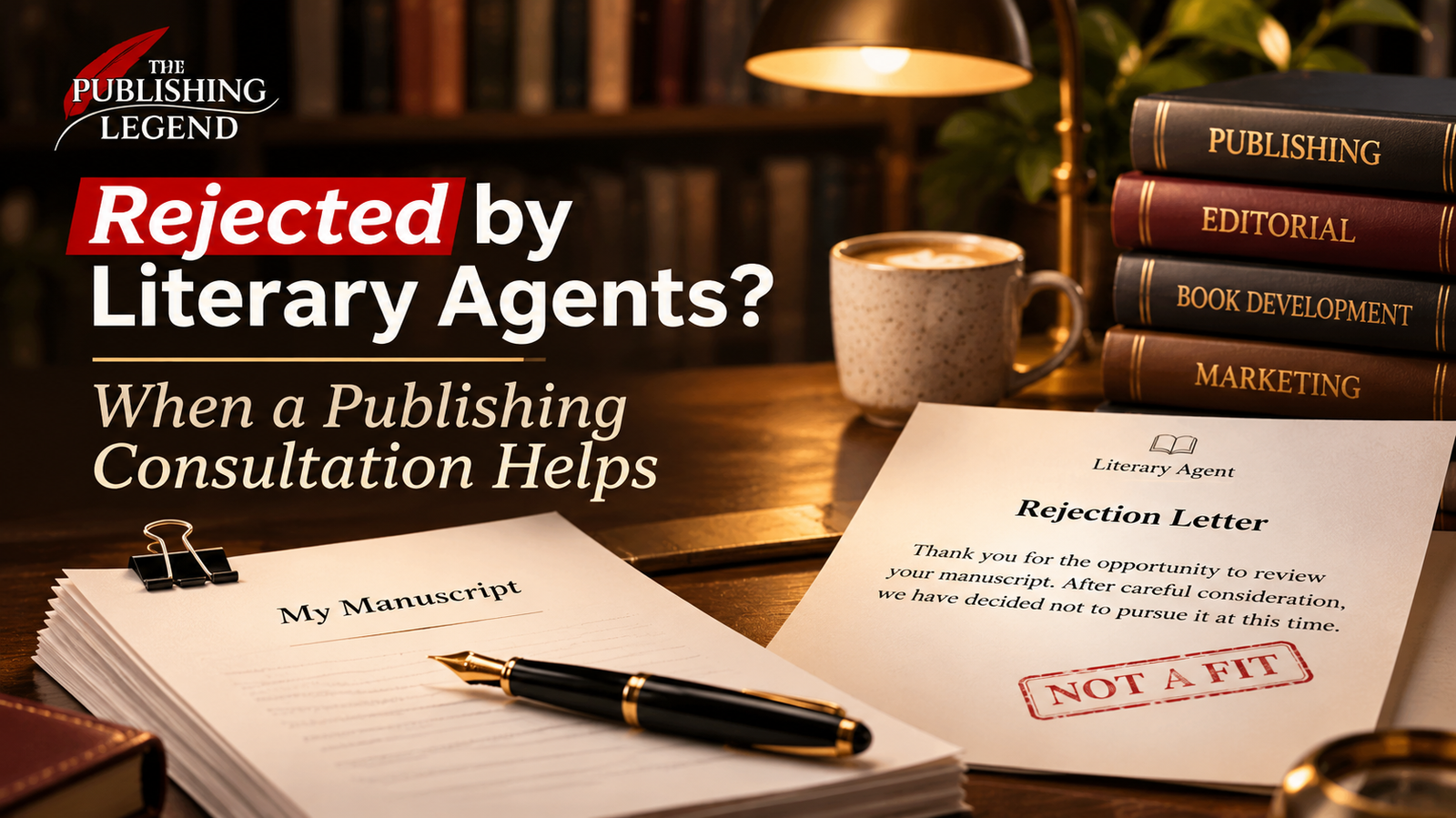
Agents receive far more submissions than they can represent, and most query letter rejection emails are standardized and give no reasons. That makes patterns more useful than any one reply. If nobody asks for sample pages, the problem may be your query letter or your pitch. If agents request pages and then decline, the manuscript itself may need work. Personalized feedback, even a single sentence, is worth taking seriously.
Rejection is also not always about quality. Agents decline books because of market fit, the makeup of their current list or timing. Treat it as information to weigh, not a verdict on whether your book deserves readers.
How to Use Rejection Feedback
Keep a simple log of every query: the date, the agent, what you sent and what came back. After ten or so replies, patterns are easier to see. Ask one or two trusted readers to review your query letter and first pages without knowing your hopes for them. If several people point to the same weakness, fix that before you send another submission or spend money on any path. That groundwork is what lets you publish a book after rejection with confidence.
Your Options to Publish a Book After Rejection
- Revise and re-query. Worth it if you have clear feedback or suspect the manuscript or pitch has real weaknesses.
- Submit to small or independent presses. Some accept unagented submissions, though they are selective and often slow.
- Self-publish. You manage production and keep control of the book.
- Hybrid publishing. A middle path where the author contributes to costs and a publishing company provides services. Terms vary widely.
Self-Publishing vs Traditional Publishing
The core difference in self-publishing vs traditional publishing is who pays and who decides. A traditional publisher funds production, usually pays an advance against royalties, and typically controls rights, design and pricing for a set term. The process is selective and slow. When you self-publish, you pay for production and make the decisions, and you keep your rights and a larger share of each sale. You are also responsible for quality, which is why editing, design and distribution setup matter so much. Professional self publishing services typically cover editing, cover design, formatting, distribution setup and marketing. Book publishing services differ mainly in how much of that work they handle for you and how clearly they price it.
Hybrid Publishing: What to Check
Hybrid publishing can be a legitimate option, but the label is used loosely and quality varies. The Independent Book Publishers Association (IBPA) publishes criteria for evaluating hybrid publishers, and it is a useful checklist before you sign anything. Ask who owns the rights, what the company does that you could not do yourself, and whether pricing is itemized. If a company is vague on any of these points, treat that as a warning.
What Happens in a Book Publishing Consultation
A book publishing consultation is a structured conversation about your manuscript and goals before you commit money. Our publishing consultation is a dedicated session to map the right publishing path before you commit to anything. A good session usually covers:
- Where your manuscript stands: draft, revised or ready for editing.
- Your goals: sales, credibility, a family legacy or a business asset.
- Which path fits: traditional, self, hybrid or another approach.
- Which services you actually need, and in what order.
- A realistic timeline and an itemized cost estimate.
To get the most from a session, bring your manuscript or its current state, your query letter, any rejection emails and a rough budget range. The more specific you are about your goals and timeline, the more useful the recommendations will be. You should leave knowing your realistic options, not feeling pressured toward one.
Manuscript Review and Editing Before You Choose
Rejection often points back to readiness. A manuscript review can show whether the book needs structural work, line-level polish or only a final proofread. Our book editing services cover developmental, line and proofreading passes. For many authors, this is the missing step before any submission or publishing path makes sense. It also gives you a realistic publishing path for first-time authors based on the book’s actual condition rather than on guesswork.
Keep Full Rights to Your Book
Whatever path you choose, understand who holds the rights. If you want to keep full rights to your book, confirm in writing that you retain copyright and royalties. The Publishing Legend works as your publishing partner, not a rights holder, and authors retain full ownership and royalties. You can also register your work with the US Copyright Office, which is generally required before you can file an infringement lawsuit. This is general information, not legal advice.
Frequently Asked Questions
If your pitch gets partial or full requests, yes. If you receive only form rejections across many queries, revise the query or manuscript first, or consider another path.
Sometimes, but it is not guaranteed. Publishers may consider a self-published book with strong, documented sales. They are unlikely to look at one that sold few copies.
No. The purpose is to understand your options and costs first, so you can decide with clear information.
If you have been rejected and are unsure what comes next, request a free quote and mention that you want a consultation. We also offer self-publishing and book publishing support once you have chosen a path.